AI-Powered Planning and Design, for Better Project Delivery and Urban Developments
GET STARTED



PRODUCTS
Industries
Industries
© 2024 DigitalBlueFoam

Urban planning shapes the growth, sustainability, and livability of cities. Effective planning balances land use, transport, housing, and environmental goals. Tools like Digital Blue Foam (DBF) empower planners to simulate scenarios, test layouts, and optimize urban systems, ensuring efficient, resilient, and inclusive cities while reducing costly design errors and enhancing stakeholder alignment.

Modern urban planning is to visualize, simulate, and validate entire urban systems before you implement in real-life.
Study shows, 68% of the world’s population projected to live in urban areas by 2050. And land values are escalating by double digits every year in major metro cities. Traditional urban planning methods simply can't keep pace with growing demand, complexity, and stakeholder expectations.
In today's article, we're going to discuss about the urban planning challenges like traffic congestion, housing shortages, environmental stress and how they're interconnected with smarter, data-backed decisions.
Urban planning can simply be described as the control and management of land resources in urban areas. It covers the development of cities in their physical, social, economic, and environmental dimensions.
Essentially, the purpose of planning the city is to integrate land use patterns, transport systems, public spaces, utilities, housing, and the provision of other services in a manner that allows for the requirements of livability and efficiency to be met. It involves the integration of technical studies with the consideration of the environment and the needs of the community.
Urban planning has the capacity to ensure the optimum development of cities for their citizens, the economy, and the environment. The following seven reasons describe why urban planning is essential:
Urban planning ensures optimal space use by harmonizing land for residential, business, industry, and public purposes. This helps promote balanced growth and ensures that there is little strain on infrastructure or natural resources.
Cities of today are expected to have an integrated road network, public transport, walkways, and biking paths. It helps the community by reducing congestion, time consumed, and dependence on cars entirely.
Proper planning guidelines ensure that investors have clarity and certainty with respect to their investments. Through the establishment of development corridors, urban planning helps in improving economic development.
Urban planning and its applications ensure the development of flood plains management, green belts, water resources, air quality management, and climate resilient measures, among others.
Zoning regulations, density controls, and mixed-use planning enable urban planning to address the issue of growing populations while overcoming housing shortages.
Planning decisions directly affect open spaces, clean water, sanitation, and emergency infrastructure. Well-planned cities are also known to encourage healthier living patterns and safer surroundings.
Urban planning facilitates a structured framework for decision-making over a long period of time. It promotes the organized growth of the city instead of reacting to short-term forces.
Urban planning comprises a process that works together with policies and spatial developments.
In most cases, the procedure starts with a data analysis whereby data on population trends and the availability of land are analyzed. Strategic policies and zoning policies influencing the development of the land in question are then developed by the urban planners.
Stakeholders are consulted, which includes the govt., the public, and other developers. The development process moves to approvals, upon which the infrastructure is allocated, and development begins to take shape.
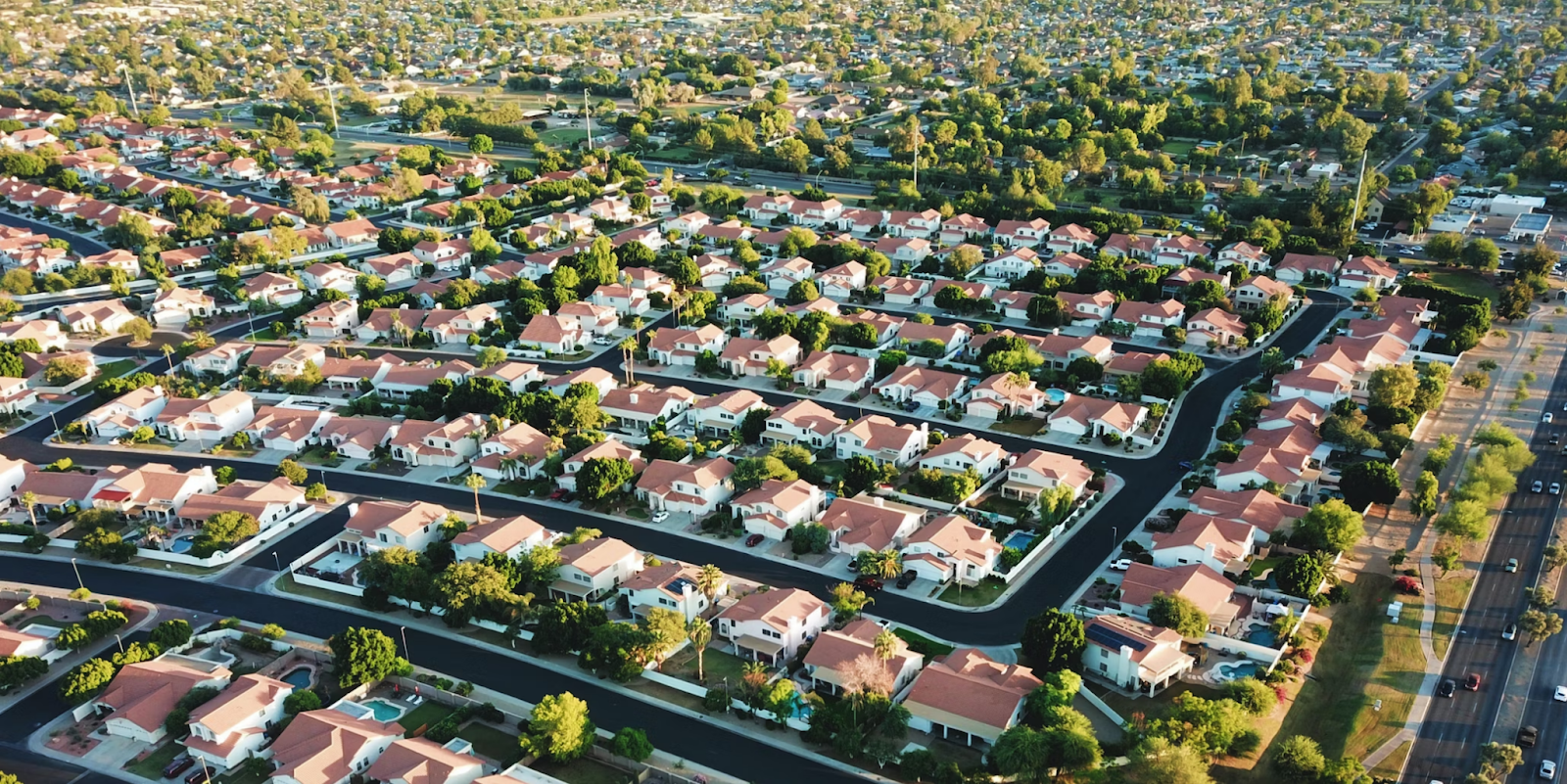
Urban planning provides great benefits, but there are challenges associated with poor and rigid approaches.
Well-structured planning tools assist in achieving maximum benefits with minimum negative implications.
Urban planning is an important enabler of the Sustainable Development Goals (SDGs). Especially when it comes to sustainable cities, climate, and social inclusion, as identified by the United Nations.
By facilitating compact development, a combination of land uses, a good transportation network, and accessibility of public services, urban planning ensures a reduction in emissions and optimal utilization of resources.
Moreover, urban planning ensures inclusive economic growth through accessibility of housing, employment, educational, and health services.
Cities that have incorporated sustainability into their planning choices have a better capability of coping with climate change, resource availability, and future growth.
Increasingly, modern solutions and simulations are being employed in contemporary urban planning to analyze and evaluate development-oriented scenarios.
Digital Blue Foam assists with early-stage planning by helping planners model layouts, density, accessibility, and spatial viability for testing before designing. The platform enables rapid scenario testing, aligning with architects, engineers, and planners for comparison during the planning stage.
Geographic Information Systems are used to analyze spatial data, demographics, land use patterns, and environmental constraints across large urban areas.
They are used for traffic modelling, environmental analysis, and infrastructure planning in order to analyze different developmental scenarios.
Urban planning is no longer just about maps and zoning regulations.
It’s about creating resilient, sustainable, and efficient cities that serve both people and the environment. Modern digital tools, particularly Digital Blue Foam (DBF), allow planners to model layouts, density, transport, and accessibility before construction begins.
By enabling real-time scenario testing, collaboration, and data-driven decision-making, DBF helps urban planners design cities that are not only functional and sustainable but also adaptable to future growth and climate challenges.
Integrating tools like DBF into urban planning workflows ensures smarter cities, reduced planning errors, and more predictable, high-impact outcomes for communities and stakeholders alike.
The major elements of urban planning include land use zoning, transportation network infrastructure, residential buildings, public spaces, utilities, environmental management systems, and social infrastructure.
Poor urban planning may cause problems such as traffic congestion, a lack of housing, environmental problems, inefficient infrastructure, and reduced quality of life.
An urban area is a region characterized by high population density, developed infrastructure, and non-agricultural land use.
Urban development can be defined as the expansion and development of cities by means of infrastructural developments, as well as economic activities and services.