
AI-Powered Planning and Design, for Better Project Delivery and Urban Developments
GET STARTED



PRODUCTS
Industries
Industries
© 2024 DigitalBlueFoam

AI-powered research lab planning: design compliant, collaborative, and analytic-ready labs with optimized infrastructure and innovation-driving workflows.









Research laboratories demand the most precise adjacency relationships, specialist infrastructure provisions, and operational flexibility of any building type. Whether planning wet labs, dry labs, cleanrooms, or interdisciplinary research environments, Planning Authorities must validate complex program requirements before BIM design begins. DBF's AI platform generates research laboratory layout scenarios, tests adjacency relationships and infrastructure demands, and validates flexibility for future research program changes.

Research laboratory design errors are costly, disruptive, and can compromise research quality for the life of the building. Getting adjacency relationships, infrastructure sizing, containment requirements, and operational flexibility right in early planning is essential. DBF enables Project Leads to validate multiple research lab configurations before committing to design, ensuring every requirement is spatially and technically feasible.

Define research program: lab types, containment levels, user groups, infrastructure requirements
Import building envelope and site constraints
Generate multiple research lab layout scenarios with AI planning tools
Validate adjacency relationships, containment zoning, and infrastructure provisions
Test flexibility scenarios for research program changes
Export validated layouts to BIM for detailed laboratory design
.webp)







.png)

As interdisciplinary research programs grow more complex and research infrastructure demands become more specialized, research laboratory planning will require ever greater analytical precision. DBF provides the AI feasibility platform for Planning Authorities to navigate this complexity, validating more options, more quickly, with greater technical confidence.
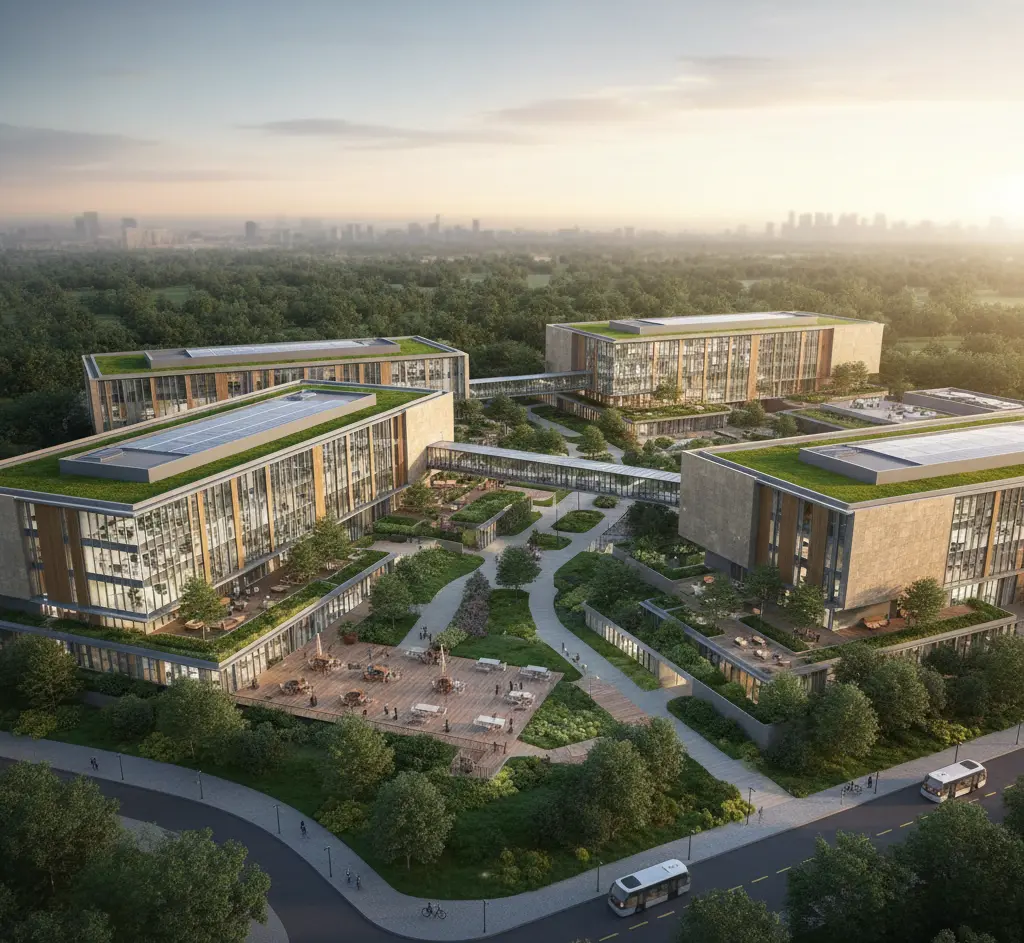
Software that generates and validates research laboratory layouts, adjacency requirements, containment zoning, and infrastructure provisions, before detailed BIM design begins.
DBF models containment zones, isolation requirements, and controlled access configurations against research program specifications and regulatory standards.
Yes. DBF tests flexible structural grids and service distribution configurations that enable research spaces to be reprogrammed with minimal disruption.
Yes. DBF tests flexible structural grids and service distribution configurations that enable research spaces to be reprogrammed with minimal disruption.
DBF handles complex mixed research environments, combining wet labs, dry labs, cleanrooms, and collaborative spaces, with full adjacency and infrastructure validation.
In a short demo, you’ll generate options, compare scenarios, and walk through KPI reporting for your facility or masterplan context.
GET STARTEDGET STARTED