AI-Powered Planning and Design, for Better Project Delivery and Urban Developments
GET STARTED



PRODUCTS
Industries
Industries
© 2024 DigitalBlueFoam

Building design outlines a structured process that guides safe, functional, sustainable and efficient construction from concept to completion. The blog explains key planning steps, essential tools, structural design methods, major complexities and strategies that improve outcomes. Modern solutions like DBF help teams work faster, reduce errors and make informed design decisions.
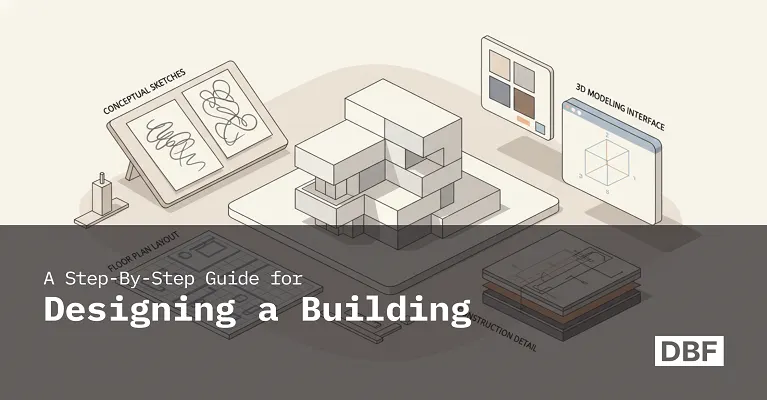
Designing a building is an analytical, creative and technical process. Building design is a structured approach that oversees function, form, safety, sustainability, and technical & regulatory compliance. It goes without saying that it is of paramount importance for architects, engineers, developers and planners to understand building design comprehensively. This helps each step in the process be executed efficiently, right from concept to construction.
This guide will break down the entire building planning and design process. It will also highlight how modern tools, including cutting-edge AI tools, accelerate decision-making, improve accuracy and help in high-quality outcomes.
Building planning and design is the first and most pivotal foundation for every successful construction project. A properly planned and designed building also curbs higher costs, inefficiencies, any structural issues and potential user dissatisfaction. Building planning ensures every aspect and decision that is undertaken is aligned with the requisite safety and performance standards.
Here is a detailed outlook on why building design and planning are essential:
A well-planned and developed building makes the layout work more coherently. The layout makes use of air circulation paths, room placement and square footage optimization cohesively. Building planning and design also make spaces feel more intuitive, with all the structural and utilitarian elements working together seamlessly. This improves occupant experience and also supports long-term building performance.
Safety regulations are one of the first steps to be considered during the process of designing a building. This process involves defining key elements that could include defining load paths and making climate-resistant design choices. All these decisions help the building withstand different natural elements. Right planning reduces the risk and increases the reliability of the structure.
Construction that is carried out thoughtfully rarely requires rework or has unexpected issues. A planned building also ensures potential delays or any cost spikes are under control.
Similar to safety guidelines, the design and construction process must work in compliance with regulations from the very beginning. To meet these standards, structures must adhere to fire and environmental laws, accessibility criteria and other zoning laws. Only when these aspects are considered from the beginning will obtaining approvals be simplified.
Good building design works by keeping in mind different efficient systems. This would include light flow, ventilation, circulation of wind, and other aspects. Decisions pertaining to design that are taken at the planning stage have the potential to influence energy use and long-term operational costs. Employing sustainable planning practices helps in creating a healthier, comfortable space.
Building design and construction enhance an occupant’s experience through well-designed spaces, daylight integration, and clear pathways. It also helps in a clean aesthetic. This creates spaces that are a treat to look at, stay in, while being efficient.
A design that is clear and easy to understand helps contractors, engineers and other personnel work efficiently. In a well-planned building, an architect’s vision, the structural logic, and MEP plans work together in tandem from the beginning. All these factors help construction to be more accurate, thereby reducing delays and improving overall project quality.
Good building design isn’t just about aesthetics. It is functional. It is the base that guarantees a safe, sustainable and financially efficient outcome successfully
Designing a building is not a singular, large action. It involves a step-by-step progression with various stages.
Here is a breakdown of how the process of designing and planning a building takes shape:
Each project begins with a meeting between the client and the project manager. The goal of this meeting is to understand the building’s purpose, who will inhabit it, and its expected functionalities. During this discussion, budget, timelines, and sustainability objectives are also discussed and reviewed. This discussion also sets forth the guidelines that will be followed for the entire building design process.
Before putting anything on the paper, the site needs to be studied thoroughly. The slopes, shadows, wind direction, soil, surroundings, and access points. The sun tells you where warmth and light will come from. The terrain will determine where the foundations need to sit. The neighbourhood will define scale and character.
This is still a part of the exploratory phase. Designers work on multiple options with respect to the flow of movement, volume and other facets. The aim here is to align with the client’s requirements.
Once a concept is decided, the designs are then worked on with more care. Plans, sections, and elevations are further defined. Materials are decided, structural design is defined, and the design starts taking life.
A building can only be efficiently built if all the systems and processes work well together. This includes architects, structural engineers, and MEP teams. This coordination is done across column grids, HVAC zoning, plumbing routes, electrical paths, and other aspects.
The plan must adhere to the local laws and other safety standards. If these are incorporated right from the start, delays pertaining to approvals or permits can be negated.
Once the construction phase starts, the design team is responsible for monitoring the progress. Along with that, they are also entrusted with addressing any unexpected challenges on-site. They are also in place to help contractors understand the intended design thoroughly.
Once finished, all components will be tested and assessed. The drawings, system evaluations, and all other inspections must ensure that the building works as intended. This is the final stage after which the building enters its practical use.
The solutions that architects and engineers have at their disposal have completely reshaped the entire process of building planning and designing. Design teams and clients need not rely only on hand-drawn sketches or a single solution. Teams can now work on a slew of platforms that can aid them in conceptualization, evaluation, and collaboration.
Here’s an in-depth look at the instruments that define contemporary architectural design:
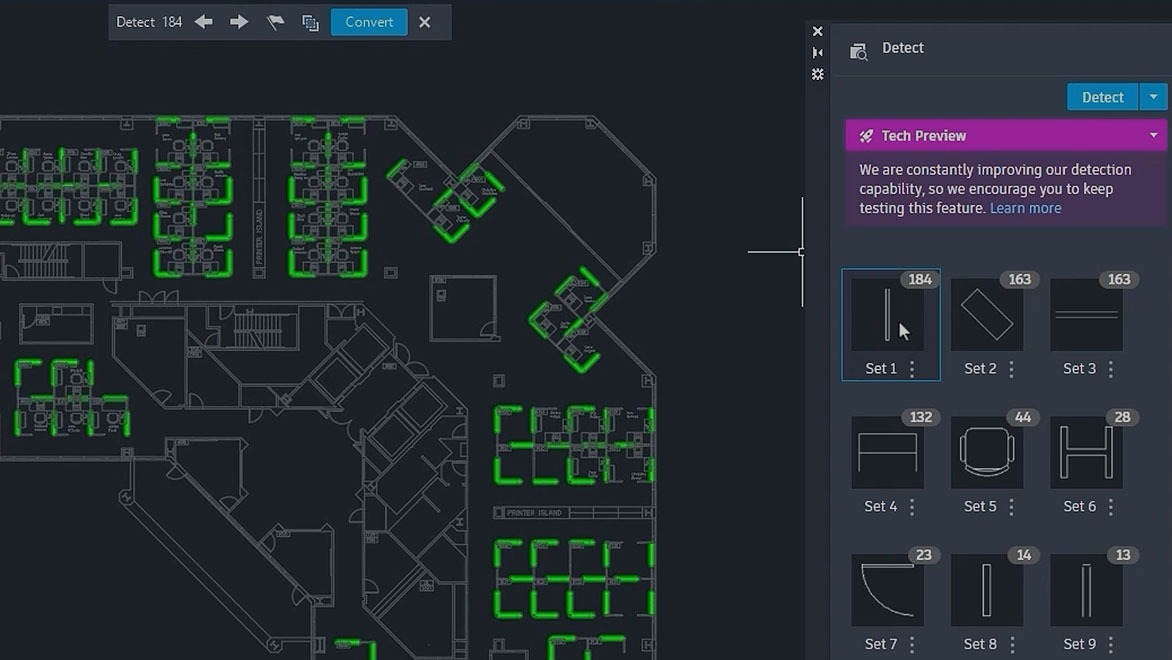
AutoCAD remains the go-to solution for 2D illustrations. AutoCAD is the dependable base for creating a rapid layout, for defining technical specifications, or for construction guidelines.
SketchUp serves as a launching pad for many early concepts. For architects who wish to explore forms, conduct volume assessment, or communicate ideas with clients, SketchUp provides a great blend of a user-friendly and efficient interface.
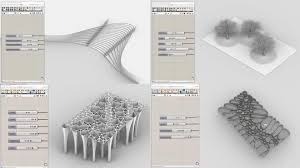
Designers turn to Rhino + Grasshopper when the project comprises unconventional shapes, algorithmic design or something similar. The solution helps designers look at these complications with a different eye than other tools might not be able to work on.
Digital Blue Foam has emerged as a recent innovation, catering to contemporary teams that favour a more rapid, intelligent approach incorporating real-world data from the outset. Rather than manually navigating through numerous iterations, DBF enables designers to:
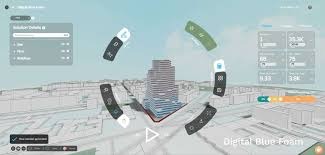
DBF does not replace the roles of architects or engineers; instead, it provides them with a more insightful foundation. It helps teams cut down repetitions, minimize assumptions, and focus on the design choices that are pertinent.
A building plan is where ideas start turning into something practical. Design professionals slay this just by following some simple steps.
Here’s a breakdown of the process:
Understand how different factors influence the building. This includes setbacks, height restrictions, buildable zones, and other factors that influence the permissible design of the building.
Visualize how people will interact, enter, move, and exit the building. The right flow and circulation make a building intuitive.
Club different public and community spaces, private areas and service zones based on how they will relate and interact with each other.
Positioning and sizing the rooms to their respective function is important. This will also have an impact on how different rooms and spaces interact with each other.
Take into consideration accessibility, ventilation, safety standards and fire exits early. Leaving these aspects to a later stage can have a negative impact on the design that is finalized.
Intensity and angle of light and ventilation have the potential to determine comfort and energy performance of the plan.
Collaboration and coordination with all the important parties helps negate any design-led rework. This could include right from misaligned columns to ducts, which could turn to expensive modifications into the process.
Keeping the stakeholders in the loop regarding every decision is very important. By keeping them informed, the collaborative process can be fine-tuned with any potential problems addressed early on.
Digital Blue Foam (DBF) helps the design and planning of a building by speeding up the entire process. With the help of the solution, teams can together:
DBF helps teams to work together with data and information, helping them make more informed decisions right from the start.
The essence of structural design lies in providing a framework that can reliably bear all loads, both inside and outside the building. A layout will fail if the supporting structure is not functional, cost-effective, and compliant with regulations.
Here’s an overview of the structural design process:
Take into account all the important load factors. This could include dead loads, live loads, wind pressure, seismic forces, or any other resistances that the building must accommodate.
The structural system can be made of steel or reinforced concrete, or could be another composite system. This decision has an impact on the final aesthetics of the building, the cost and the time taken for the construction.
Calculate and take into account how different forces will transfer from upper levels to the foundation. This calculation can help determine the structural integrity of the building.
Different solutions can run analyses and simulations that can help detect stresses, vulnerabilities and deflections early. This can help determine any shortcomings in the planning stage.
All the key structural elements like beams, slabs, columns and footings need to be worked on with utmost care. This will start with proper sizing, spacing and reinforcement.
During the planning stage, pipe openings, ducts, and other aspects have to be defined and strategically placed. Since this has an impact on the structural integrity, this step has to be carried out efficiently.
Once finalized, all documents and drawings have to be prepared with utmost clarity. These documents will help contractors with the precise measurements and details on the reinforcement.
Once the drawings are done, building standards, both local and global, must be studied and met. This is very important to make sure that the structure has a go-ahead from a safety point of view.
Done well, this process keeps the building stable, economical, and resilient for decades.
No matter how experienced the team is, building design is never simple. Every decision influences another decision. More so, when the project must adhere to all technical requirements, satisfy human needs, comply with regulatory frameworks, and fulfil long-term performance goals, all at once.
Here are some of the major complexities architects and engineers navigate:
In every project, personnel from different disciplines work together. A small change in one aspect can affect another segment. In such a case, others must adapt and incorporate the change in their systems, too.
Every project must adhere to and comply with numerous regulations. Right from the building codes to the fire regulations to the sustainability guidelines, the list of regulations and their ever-changing nature is long. What makes it even more challenging is how numerous guidelines can overlap, contradict or evolve mid-project.
The changing weather, conditions at the site, energy goals to be met, all influence materials, structural choices and more.
A building is designed for people to work, live, meet and interact with each other. Human behavioural patterns are one of the most complex to study and abide by in every plan.
Every step that is undertaken has to take into account the next 20-25 years for which the building must serve its purpose.
Material prices fluctuate, site access changes, and unexpected issues appear once ground is broken.
Drawing from principles discussed in Re-Thinking the Future, the core difficulties come from:
A small shift affects the entire layout. Everything is interconnected.
Buildings and plans need to adapt. To new technologies, changing occupants or evolving regulations.
Regulations are never set in stone. They evolve. And when they evolve mid-project, we must evolve with it too.
Buildings must withstand not just daily use but also the extremes. Earthquakes, cyclones, storms and more.
Even a perfectly planned and designed building can encounter on-site surprises that have an impact on schedule and cost.
In every building, complications are inevitable. But they can be managed by:
Today’s digital solutions and tools help the planning and building teams take not a reactive, but a proactive outlook to the entire process.
The process of planning and designing a building is not about using a single skill. It is a process that demands an amalgamation of technicality, creativity, and collaboration. This entire process begins from the first meeting with the client, with every subsequent step working towards making a safe, efficient and enjoyable building.
In today’s day and age, tools like the Digital Blue Foam add an extra layer of sophistication and luxury to this process. The tool integrates data, real-time design alterations, performance insights and much more.
Whether you’re just starting to learn how to design a building or looking to refine a well-established workflow, combining structured planning with modern digital tools will strengthen the outcome of every project you touch. Moreover, the tool is highly customizable. All you have to do is fill out a form and interact with their highly skilled product team to have a solution working for you.
The first step in creating the structure of a building design is identifying the loads the building must handle. This could be dead, wind, seismic, or live loads. Based on this understanding, an appropriate structural system must be chosen.
Once the purpose of the project is locked in, various considerations must be taken into account depending on the nature of the project. This could be budget, size, site conditions, local regulations or something else entirely. This consideration is taken after a detailed discussion with the client.
Before structural design calculations, multiple reports need to be procured. This could include soil investigation reports, building codes, layouts, and load assumptions. These are the foundations for a safe and reliable structural design.
These can be defined as common design milestones.
30%: Early concepts and basic layouts
60%: More detailed plans with coordinated systems
90%: Near-final documents ready for review and permitting
Each stage adds clarity and showcases progress in the design process.
Building design is built on four principles: function, structure, safety, and sustainability. These four fundamentals are necessary for a building to be built well and last long.